
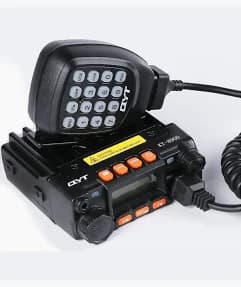
VHF radio communication is essential for marine safety and operations. This guide covers the licensing requirements for marine VHF equipment in South African waters.
Why VHF Licensing is Mandatory
All marine vessels equipped with VHF radios must be properly licensed to ensure interference-free communication and compliance with international maritime regulations.
Types of Marine Licenses
Different licenses are required for recreational vessels, commercial operations, and fishing fleets. Each category has specific requirements and operational limitations.
Recreational Vessel License
For private pleasure boats, ski boats, and personal watercraft with VHF equipment. Lower requirements and faster processing than commercial licenses.
Commercial Vessel License
For charter boats, fishing vessels, water taxi services, and other commercial maritime operations. Includes operational restrictions and record-keeping requirements.
Key VHF Frequency Channels
- Channel 16: International distress, safety, and calling frequency
- Channel 6: Inter-ship communication and working frequency
- Channel 9: Navigation safety and docking frequency
- Channel 13: Bridge-to-bridge and ship navigational frequency
- Port-specific channels for harbor operations
Application Process
The licensing process involves equipment certification, operator qualifications, and vessel documentation. We handle the entire process from application to approval.
Required Documentation
- Vessel registration certificate
- Equipment specifications and serial numbers
- Proof of vessel seaworthiness
- Owner identification
- Insurance documentation
Safety Considerations
Properly licensed VHF equipment ensures access to emergency channels, weather updates, and communication with port authorities and other vessels.
Emergency Capabilities
- Distress signal transmission (Mayday)
- Coast Guard coordination
- Emergency weather broadcasts
- Search and rescue coordination
- Inter-vessel emergency communication
Annual Renewal and Maintenance
VHF licenses require annual renewal. Equipment must be regularly maintained and tested to ensure proper operation in emergency situations.